Reduce Wildfire Risk Around Your Home
Fire risk mitigation services in Austin focused on defensible space and vegetation management for residential properties.
Homes in Austin and surrounding areas surrounded by wooded areas or acreage face increasing wildfire risk during dry seasons, especially when dense vegetation grows close to structures, outbuildings, or fences. Fire risk mitigation reduces the fuel available to a fire by clearing brush, thinning trees, and managing vegetation in zones around your home. The Vine Arbor Care provides Fire Risk Mitigation Qualified services throughout Austin and surrounding areas, helping homeowners create defensible space that slows fire spread and protects property during wildfire events common to the Hill Country.
Fire mitigation work focuses on removing dead wood, low-hanging branches, ladder fuels, and overgrown ground cover that allow flames to climb into tree canopies or move rapidly across the landscape. The service also includes pruning healthy trees to increase spacing and reduce crown contact, which limits fire movement from one tree to another. Properties with larger lots, steep slopes, or dense cedar and juniper stands benefit most from mitigation, though any wooded residential site can improve safety with proper vegetation management. The Vine Arbor Care tailors the scope of work to your property layout, fire exposure, and insurance or HOA requirements.
If you want to reduce wildfire risk on your Austin and surrounding areas property, contact The Vine Arbor Care for a free estimate and site evaluation.
How mitigation work changes your property layout
Fire risk mitigation in Austin and surrounding areas starts with a site assessment to identify high-risk areas where fuels accumulate or vegetation density increases fire intensity. The crew then clears brush, removes dead trees and branches, and thins overgrown stands to create separation between remaining vegetation. Work typically focuses on zones within 30 to 100 feet of structures, though larger properties may require broader clearing depending on topography and prevailing wind patterns.
After mitigation is complete, you notice clear sightlines, better air circulation, and reduced ground clutter that previously made it difficult to walk or mow through wooded sections. The property feels more open without appearing stripped, and the remaining trees are healthier due to reduced competition for water and sunlight.
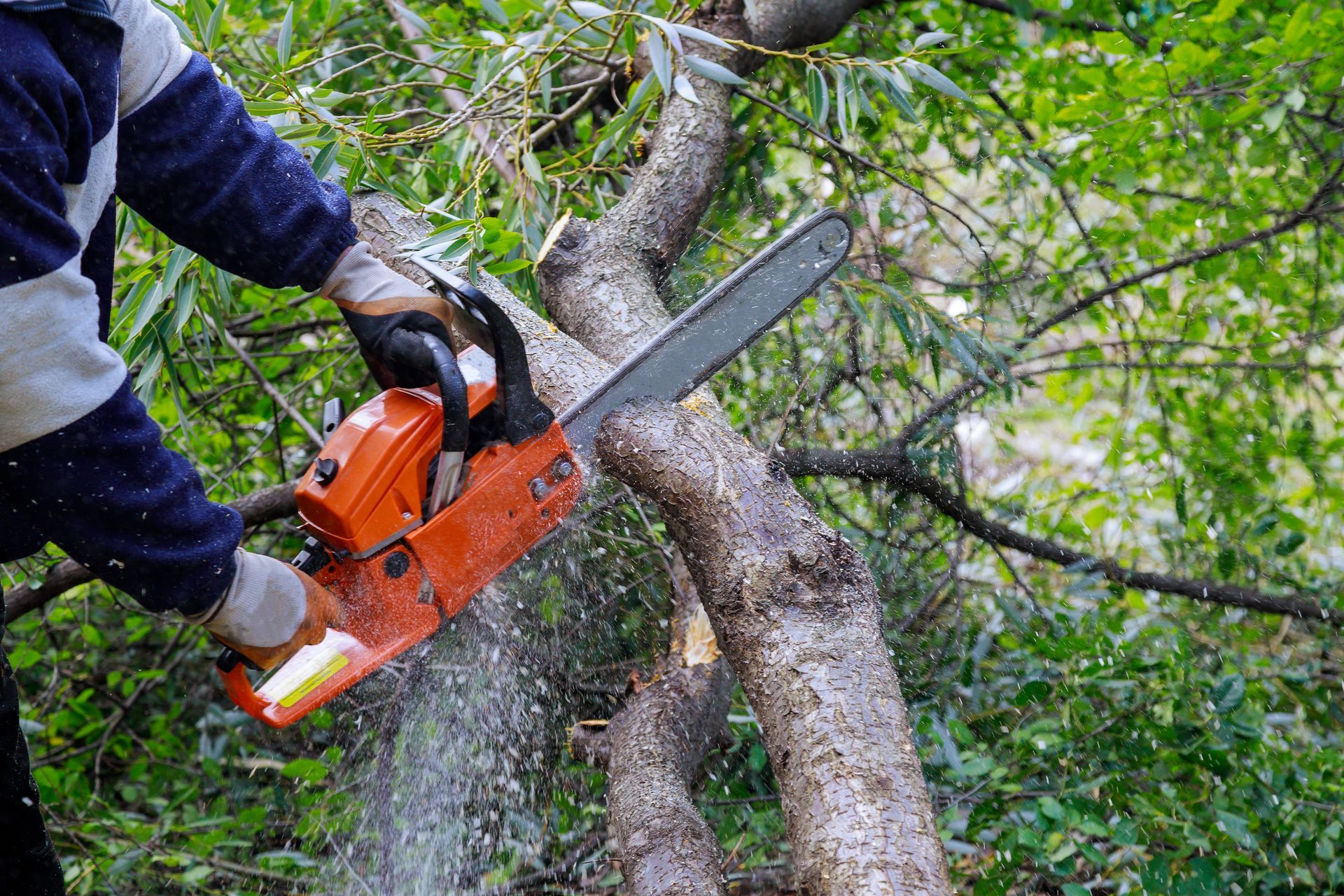
The Vine Arbor Care uses chainsaws, chippers, and hand tools to remove hazardous vegetation while protecting desirable trees and plants you want to keep. Debris is either chipped on-site or hauled away depending on the volume and your preference. Fire mitigation is an ongoing process rather than a one-time project, and many homeowners schedule annual or biannual maintenance to manage regrowth and maintain defensible space over time. This service is fully insured and includes free estimates to help you plan the scope and cost of work.
What homeowners need to know before starting
Fire risk mitigation involves practical decisions about vegetation removal, spacing, and maintenance that directly affect how your property looks and how well it withstands wildfire exposure.
When should you schedule fire mitigation work in Austin and surrounding areas?
Longer droughts, higher temperatures, and years of fuel accumulation from fire suppression have created conditions where wildfires ignite more easily and spread faster. Properties near wooded areas or open space face higher exposure, especially during windy, dry periods common to Austin and surrounding communities.
Fire risk mitigation gives homeowners in Austin and surrounding areas a practical way to reduce wildfire exposure on wooded properties, particularly those with acreage or dense vegetation near structures. The Vine Arbor Care provides Fire Risk Mitigation Qualified services backed by full insurance and over 10 years of experience managing vegetation in fire-prone areas. Contact us today to schedule a free site evaluation and start protecting your property.